Simply wearing a pair of work gloves doesn’t automatically mean your hands are protected. In industrial, construction, and mechanical environments, hand injuries remain one of the most common workplace hazards—often because workers are wearing the wrong gear or using it incorrectly.
A lot of people make simple mistakes that reduce protection, shorten the lifespan of their gear, or even create new risks. This guide covers the most common work glove mistakes so you can avoid injuries and choose the right protection for your specific job site.
Related Resource: The Ultimate Work Gloves Selection Guide
MISTAKE #1 — USING THE WRONG GLOVE FOR THE HAZARD
Not all gloves are designed for the same job. One of the most frequent errors is assuming a “general purpose” leather or canvas glove can handle specialized risks. Using light-duty gloves for heavy-duty masonry or using standard cut-resistant gloves where impact hazards exist can leave you dangerously exposed.
Before starting a task, identify the primary threat: Is it abrasion, heat, chemicals, or sharp edges? Matching the glove to the specific hazard is the first step in OSHA-compliant hand protection.
Best Work Gloves for Mechanics and Heavy-Duty Jobs
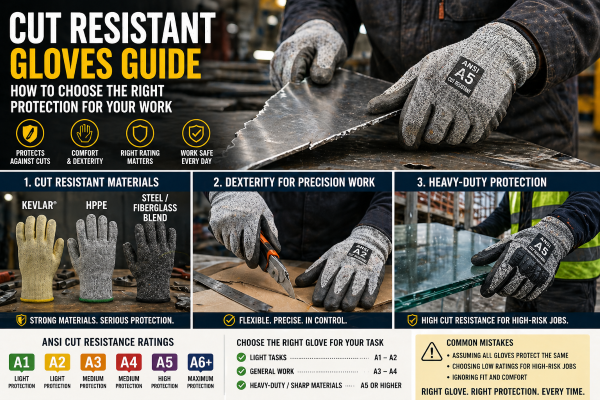
MISTAKE #2 — IGNORING ANSI CUT OR IMPACT RATINGS
Choosing a glove based on “feel” rather than technical ratings is a major safety oversight. High-risk jobs require specific, certified protection levels:
- Sharp Materials & Glass: Look for ANSI Cut Level A4 to A9 for maximum protection against slicing.
- Heavy Equipment & Crushing Risks: You need ANSI/ISEA 138 Impact Ratings (Levels 1, 2, or 3) to protect your knuckles and fingers from blunt force.
Cut Resistant Gloves Guide | Impact Resistant Gloves Guide
MISTAKE #3 — COMPROMISING SAFETY WITH POOR FIT
Fit matters more than most people realize. A glove that doesn’t fit properly isn’t just uncomfortable—it’s a liability.
- Too Loose: Excess material can get caught in moving machinery or power tools, pulling your hand into danger. It also reduces your grip strength and tactile sensitivity.
- Too Tight: Overly tight gloves cause hand fatigue, restrict blood flow, and are more likely to tear or “blow out” at the seams during heavy use.
MISTAKE #4 — CHOOSING COMFORT OVER TECHNICAL PROTECTION
While dexterity and comfort are important for worker compliance, they should never come at the expense of safety ratings. Modern glove technology allows for “high-dexterity” gloves that still offer impressive cut and puncture resistance. If your crew is removing their gloves because they are “too bulky,” look for high-gauge (15g or 18g) knit gloves that offer thin-wall protection without sacrificing ANSI standards.
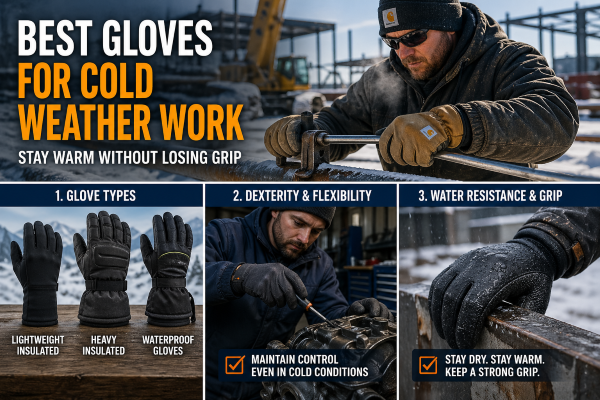
MISTAKE #5 — USING THE SAME GLOVES IN ALL WEATHER CONDITIONS

Environmental factors drastically change glove performance. A standard work glove becomes a hazard in the winter if it doesn’t provide thermal protection, as numb fingers lose the dexterity needed to operate tools safely. Conversely, non-breathable gloves in high heat lead to “hand sweat,” which can cause skin irritation and slipping inside the glove.
Best Gloves for Cold Weather Work
FREQUENTLY ASKED QUESTIONS (FAQ)
How do I know when to replace my work gloves?
Inspect your gloves daily. Replace them immediately if you see thinning material, open seams, holes, or if the coating (nitrile/latex) is peeling away, as this indicates the protective barrier is compromised.
Can I wash my work gloves?
It depends on the material. Many synthetic knit gloves are machine washable, which can extend their life. However, leather gloves may shrink or stiffen. Always check the manufacturer’s laundry instructions to maintain safety ratings.
FINAL THOUGHTS
The right safety gloves only work if they are selected correctly and maintained regularly. By avoiding these five common mistakes, you’ll improve both site safety and individual performance. Ready to upgrade your protection? Explore our full range of task-specific safety gear today.