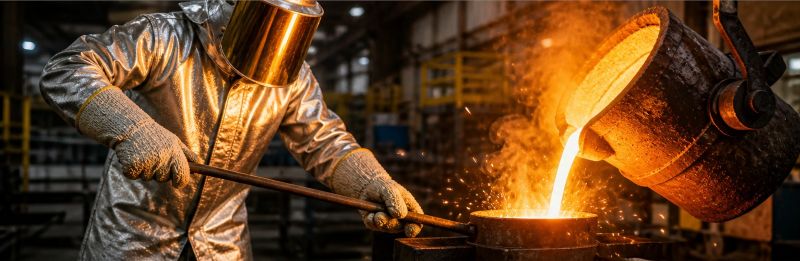
Working in environments that feel like they’re halfway to the sun—such as welding, foundries, or metalworks—your gear isn’t just helpful; it’s life-saving. At the heart of that gear are gloves. However, the use of asbestos gloves remains a complex topic in the world of heat-resistant Personal Protective Equipment (PPE).
This report explores the history, risks, and modern alternatives to asbestos gloves, providing a comprehensive guide for safety compliance in high-heat industries.
1. What Are Asbestos Gloves?
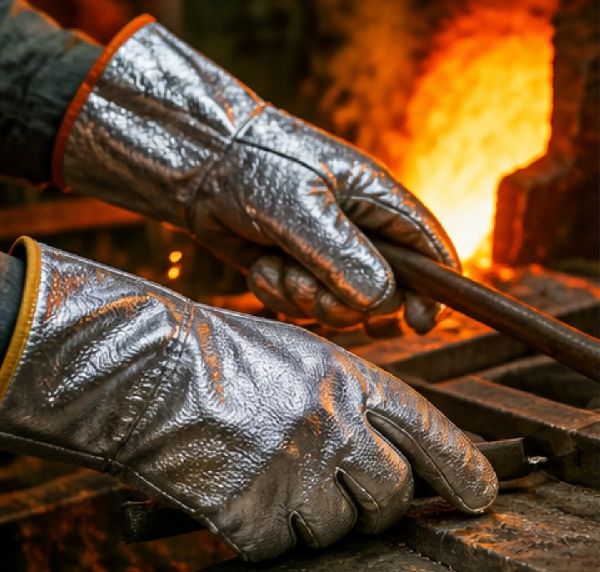
Asbestos gloves are constructed using woven asbestos fibers, prized for their exceptional thermal stability and durability. Historically, these were the gold standard for thermal protection.
Key Industrial Applications:
- Steel Plants & Foundries: Handling molten metal, slag, and hot materials.
- Welding Shops: Protection against sparks and extreme contact heat.
- Glass Manufacturing & Glassworks: Managing materials during the blowing and shaping process.
- Chemical Processing & Oil Refineries: Handling high-temperature pipes and vessels while protecting against hazardous chemical reactions.
The Technical Specs & The Catch:
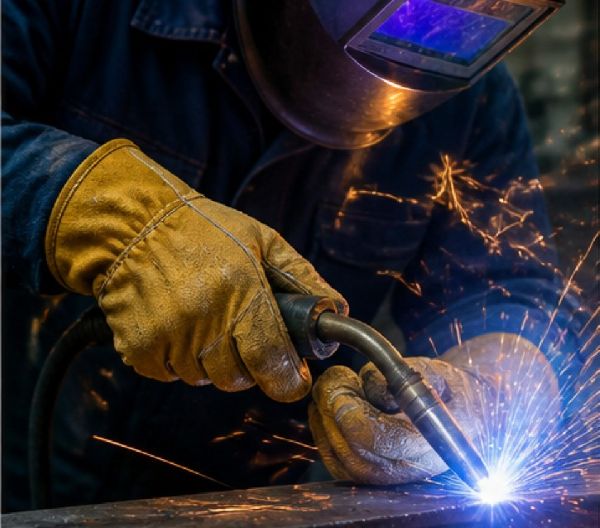
- Performance: Can withstand temperatures up to 1,500°F (815°C) and provides resistance to fire and chemical burns.
- The Critical Risk: Asbestos is a known carcinogen. When fibers become friable (airborne), they pose a severe risk of mesothelioma and asbestosis. This has led to a global shift toward safer materials.
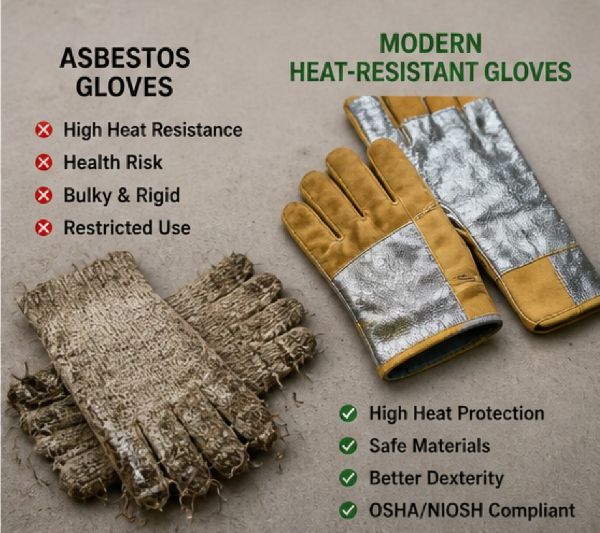
2. Comparison: Asbestos vs. Modern Alternatives
| Feature | Asbestos Gloves | Modern Alternatives (Kevlar®, Aluminized, etc.) |
|---|---|---|
| Heat Resistance | Up to 1,500°F (815°C) | 900°F – 2,000°F+ (Material dependent) |
| Material | Woven asbestos fabric | Kevlar®, Aluminized fabric, Carbon Fiber, Silicone, Leather |
| Health Risk | High (Carcinogenic fibers) | Low to none |
| Dexterity | Low (Bulky and rigid) | Medium to High (Improved flexibility) |
| Cost | Historically lower | Higher upfront, lower long-term liability |
| Regulations | Heavily restricted or banned | OSHA/NIOSH compliant |
3. Material Performance Benchmarks
Choosing the right material depends on the specific heat source (Radiant vs. Contact).
| Glove Material | Max Temp | Flexibility | Primary Use Case |
|---|---|---|---|
| Asbestos | ~1,500°F | Low | Legacy industrial work (Phased out by the 1980s) |
| Kevlar® | ~900°F | High | Welding, Electrical, General Cut resistance |
| Aluminized | ~2,000°F* | Medium | Foundries, Molten metal (Radiant heat) |
| Carbon Fiber | ~1,800°F | Medium | Aerospace, Engineering |
| Treated Leather | ~500°F | High | General industrial/Heavy handling |
| *Note: Aluminized materials are specifically designed to reflect up to 90% of radiant heat. |
4. Frequently Asked Questions
Q: Are asbestos gloves still legal to use? A: It depends on the jurisdiction. In many developed nations, the manufacture of new asbestos products is banned. While some “legacy” stock may exist, OSHA guidelines strongly encourage replacement with modern equivalents.
Q: Are modern gloves as effective as asbestos? A: Yes. Modern composites, silicone, and aluminized fabrics often outperform asbestos, particularly in reflecting radiant heat and providing better manual dexterity.
Q: What is the biggest risk of using old asbestos gloves? A: Degradation. As the gloves age and the fabric frays, microscopic fibers are released into the breathing zone of the worker.
5. Modern Safety Standards & Compliance
Safety is about more than “feel”—it’s about meeting legal and biological safety requirements. Ensure your PPE aligns with:
- OSHA 1910.138: General requirements for hand protection.
- NIOSH Guidelines: Specific material safety data and respiratory health.
- ASTM F1060: Standard test method for evaluation of conductive heat resistance.
6. Pro-Tips for Selection
- Identify the Heat Type: Use Aluminized for radiant heat (near a furnace) and Kevlar/Leather for contact heat (holding a hot tool).
- Prioritize Layering: Multi-layer gloves provide an air gap that significantly slows heat transfer.
- Ensure Proper Fit: A glove that is too tight reduces the insulating air layer; a glove that is too loose creates a snag hazard.
- Audit Regularly: If you find old, grey, woven gloves in a storage bin that look like heavy canvas—do not use them. Treat them as potential hazardous waste.
Final Word
Asbestos gloves were a game-changer for 20th-century industry, but the health costs are too high. With the advent of high-performance synthetics like Kevlar and advanced radiant-reflective coatings, there is no longer a functional reason to risk exposure. If your facility is still using legacy asbestos gear, the time to upgrade is now.
TL;DR
- Asbestos: High heat resistance, extreme health risk.
- Modern Gear: Equal or better protection, zero cancer risk.
- Action: Transition to OSHA-approved materials like Kevlar, Silicone, or Aluminized fabrics.

TICONN Welding Gloves, 16 IN L/XL/XXL 1000°F Heat-Resistant Fireproof Leather Gloves for Welders, Stick, Forge, Mig, Tig, BBQ
TICONN leather work gloves feature a thickened 3-layer construction, including 2.4mm heat-resistant cowhide leather outer layer, insulating aluminum foil middle layer, and soft flame retardant cotton lining that can withstand extreme temperatures.
* Some links in these cards may be affiliate links. I may earn a commission at no extra cost to you. Prices may vary.

Leather Welding Gloves - Thick Premium Cow Split Leather, Heat Resistant, Welding, Grilling, BBQ & Fireplace
Durable & Wear-Resistant Protection: Crafted from 1.2mm thick natural cowhide, these gloves offer exceptional resistance to fire, heat, wear, punctures, and oil.
* Some links in these cards may be affiliate links. I may earn a commission at no extra cost to you. Prices may vary.
👉 [Click Here to read our The New Era of Extreme Heat Protection (Gloves & Aprons)]