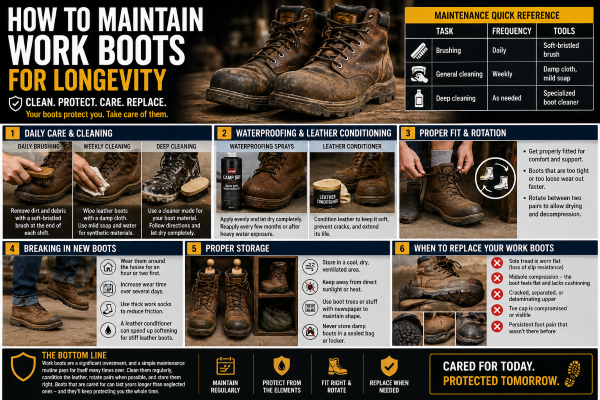
Your feet take a beating on the job.
Construction sites, warehouses, oil fields, manufacturing plants, farms, and electrical job sites are full of hazards that most people never think about. Falling tools, sharp debris, slippery surfaces, electrical risks, and long shifts on concrete can destroy cheap boots fast.
That’s why buying the best safety boots 2026 has nothing to do with style and everything to do with protection, comfort, and durability.
The wrong boots can lead to:
- Foot injuries from falling materials
- Slips on wet or oily surfaces
- Puncture wounds from nails or sharp metal
- Electrical shock hazards
- Back pain from poor support
- Faster fatigue during long shifts
A quality pair of steel toe work boots, composite toe boots, or waterproof safety boots can help prevent injuries while making your workday far more comfortable.
This guide breaks down everything you need to know before buying your next pair.
Why Safety Boots Matter More Than Most Workers Realize
Many workers buy boots based on price alone.
That usually backfires.
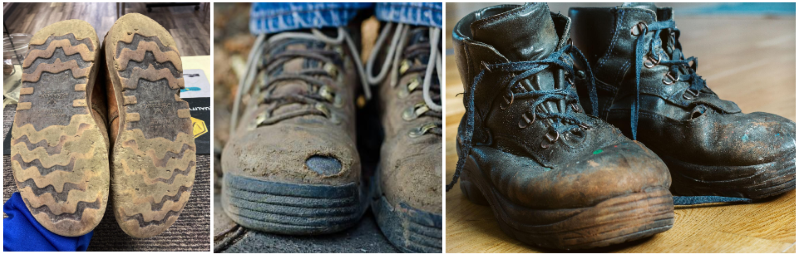
A cheap pair may save you $80 upfront but cost you far more when:
- Soles wear out quickly
- Waterproofing fails
- Toe protection cracks
- Insoles flatten
- Slip resistance disappears
- You miss work due to foot pain or injury
According to Occupational Safety and Health Administration workplace standards, employers must provide safe working conditions, but workers still need proper footwear for their specific environment.
That’s why many job sites require OSHA approved work boots that meet safety standards such as:
- ASTM F2413
- EH protection standards
- Slip resistance standards
- Puncture resistance requirements
Always verify your employer’s specific boot requirements before purchasing.
Steel Toe Work Boots vs Composite Toe Boots
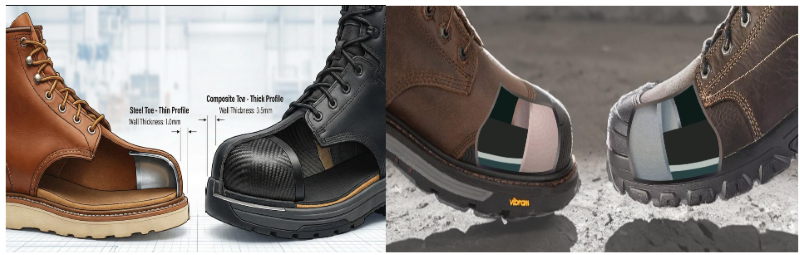
This is one of the biggest decisions workers face.
Steel Toe Work Boots
These are traditional safety boots that use steel reinforcement in the toe area.
Pros:
- Maximum impact protection
- Usually thinner toe profile
- Often more affordable
- Excellent for heavy construction
Cons:
- Heavier
- Can conduct heat and cold
- Triggers metal detectors
Best for:
- Construction workers
- Welders
- Mechanics
- Heavy equipment operators
- Demolition crews
Popular example: Timberland PRO
Composite Toe Boots
These use materials like:
- Carbon fiber
- Kevlar
- Plastic
- Fiberglass
Pros:
- Lightweight
- Metal detector friendly
- Better in extreme temperatures
- Great for electrical work
Cons:
- Often bulkier
- Usually more expensive
Best for:
- Electricians
- Warehouse workers
- Airport workers
- Delivery drivers
- Manufacturing employees
Popular example: Carhartt
Waterproof Safety Boots: Who Actually Needs Them?
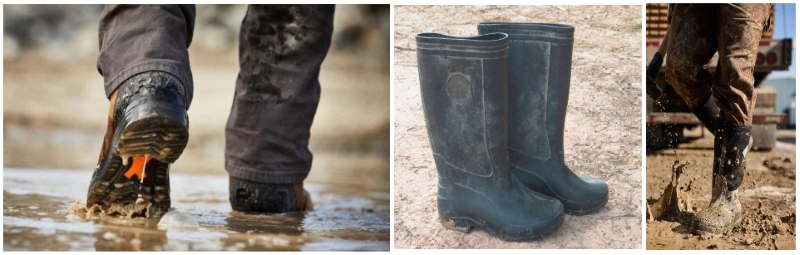
Many workers underestimate how important waterproof protection is.
If you work in:
- Rain
- Mud
- Snow
- Agriculture
- Plumbing
- Utility work
- Oil fields
You need quality waterproof safety boots.
Wet feet can lead to:
- Blisters
- Fungal infections
- Cold weather injuries
- Reduced traction
- Faster material breakdown
Top waterproof option:
Muck Boot Company Arctic Pro Steel Toe Boots
These are especially popular in harsh winter environments.
Electrical Hazard Boots Explained
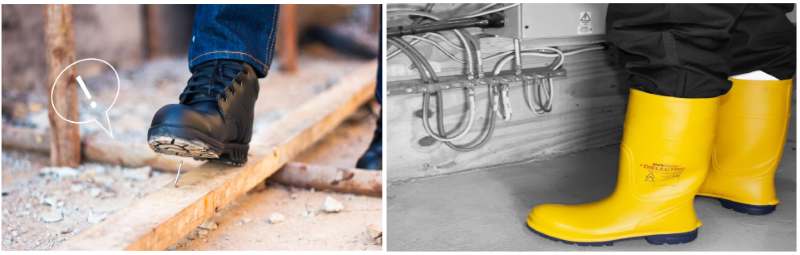
Electricians and maintenance workers should pay close attention here.
Electrical hazard boots are designed to reduce the risk of shock when stepping on live circuits.
These boots may protect against:
- Open circuits
- Dry electrical environments
- Accidental contact
They are NOT designed for:
- Standing water with electrical exposure
- Direct contact with live wires
Look for EH-rated boots that meet ASTM standards.
Popular option:
Carhartt Rugged Flex EH Boots
Slip Resistance Matters More Than You Think
Slip injuries happen constantly in:
- Warehouses
- Restaurants
- Manufacturing plants
- Construction zones
- Delivery environments
Look for:
- Deep tread patterns
- Oil-resistant soles
- Non-slip rubber outsoles
KEEN Utility boots are often praised for strong traction.
Best Safety Boots for Different Industries
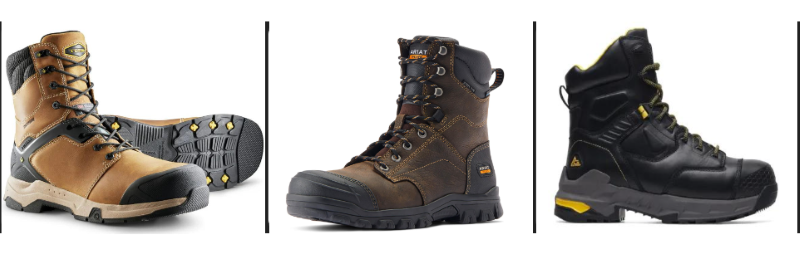
Best for Construction
Timberland PRO Boondock
Why workers love them:
- Excellent ankle support
- Durable outsole
- Composite toe options
- Comfortable for long shifts
Best for Extreme Cold
Muck Boot Company Arctic Pro
Perfect for:
- Oil fields
- Pipeline work
- Snow removal
- Cold-weather utility work
Best for Warehouses
Blundstone #990
Great for workers who need:
- Fast on/off convenience
- All-day comfort
- Lightweight mobility
Best for Electricians
Carhartt Rugged Flex
Great EH protection while staying comfortable.
Best for Landscaping
KEEN Utility Detroit XT
Strong traction plus comfort for active workers.
How to Choose the Right Safety Boot Size
Never assume your sneaker size equals your work boot size.
Try boots:
- Later in the day when feet swell
- With work socks
- While walking on hard surfaces
Your toes should never hit the front.
Heel slipping should be minimal.
How Long Should Safety Boots Last?
This depends on your job.
Average lifespan:
Light warehouse use: 12–24 months
Construction: 6–12 months
Heavy industrial use: 6–9 months
Replace immediately if:
- Toe cap becomes exposed
- Soles separate
- Waterproof lining fails
- Tread disappears
Where to Buy Safety Boots
This section is where your affiliate links can perform well once Skimlinks is active.
You can eventually link directly to:
- Amazon
- Boot Barn
- Zappos
- Tractor Supply Company
- The Home Depot
- Lowe’s
Affiliate Tip:
Create individual review posts for each boot model and link them back to this guide. That gives you more ranking opportunities.
Example:
- Timberland PRO review
- Best waterproof work boots
- Best electrical hazard boots
- Best composite toe boots
Real Worker Feedback
“I’ve worn Timberland PRO boots on 12-hour shifts and they’ve held up better than anything else I’ve tried.”
— Construction Foreman
“My Muck boots saved me during winter pipeline work.”
— Pipeline Technician
“Composite toe boots changed everything for my warehouse job.”
— Distribution Worker
How to Make Your Boots Last Longer
Clean them regularly
Remove mud, chemicals, and debris.
Dry properly
Avoid direct heat.
Use boot dryers or newspaper.
Condition leather
Prevents cracking.
Replace insoles
This can extend comfort significantly.
Final Thoughts
Buying the best safety boots 2026 isn’t about grabbing the first pair you see online.
It’s about matching your boots to your actual job hazards.
Whether you need:
- steel toe work boots
- composite toe boots
- OSHA approved work boots
- waterproof safety boots
- electrical hazard boots
The right pair protects your feet, reduces fatigue, and helps you stay productive.
Cheap boots usually become expensive mistakes.
Buy once. Buy smart. Protect your feet.