Common Airborne Hazards in the Workplace
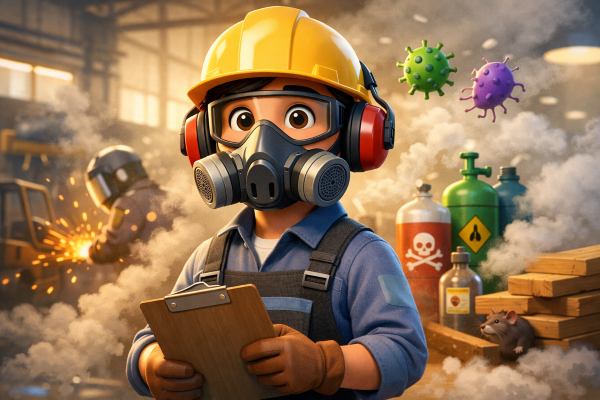
Airborne hazards are one of the most overlooked risks in the workplace. You often cannot see them, smell them, or feel them right away. But over time, breathing contaminated air can lead to serious health problems, reduced productivity, and long-term illness.
Whether you manage a construction site, warehouse, manufacturing floor, or even an office environment, understanding common airborne hazards is the first step toward protecting workers and staying compliant with safety standards.
This guide breaks down the most common types of airborne hazards found in workplaces, how they affect health, and why proper air safety measures matter.
For a complete overview of how these hazards fit into a broader protection strategy, see Respiratory & Air Safety in the Workplace: Risks, Protection, and Best Practices.
What Are Airborne Hazards?
Airborne hazards are harmful substances that become suspended in the air and are inhaled into the lungs. These particles or gases can remain airborne for long periods, especially in enclosed or poorly ventilated spaces.
Exposure may happen during normal work activities like cutting, grinding, welding, cleaning, or chemical handling. In some cases, workers may not realize they are being exposed until symptoms appear months or years later.
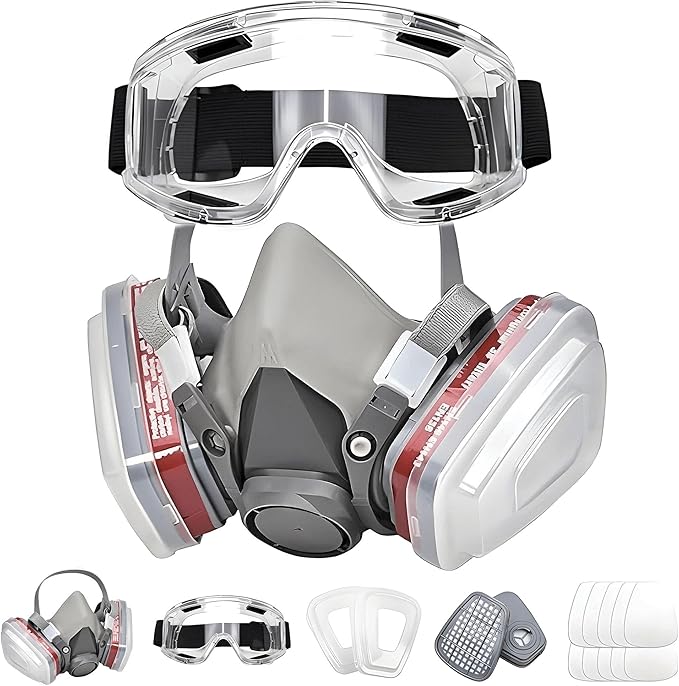
Understanding these hazards helps employers reduce risk and choose the right safety controls, including selecting the appropriate respirator for the job.
Next, learn how to match protection to the hazard in Types of Respirators and When to Use Them:
Dust and Particulate Matter
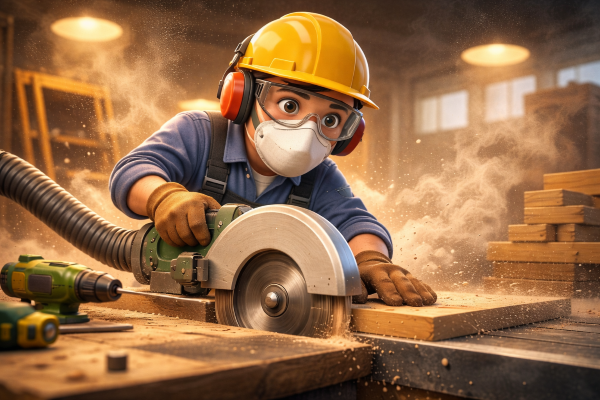
Dust is one of the most common airborne hazards across many industries.
Common sources include:
- Wood cutting and sanding
- Concrete drilling and grinding
- Mining and excavation
- Manufacturing and packaging operations
Fine dust particles can penetrate deep into the lungs, where they cause irritation, inflammation, and long-term respiratory damage. Some dusts, such as silica or asbestos, are especially dangerous and can lead to permanent lung disease.
Fumes from Welding and Metalwork
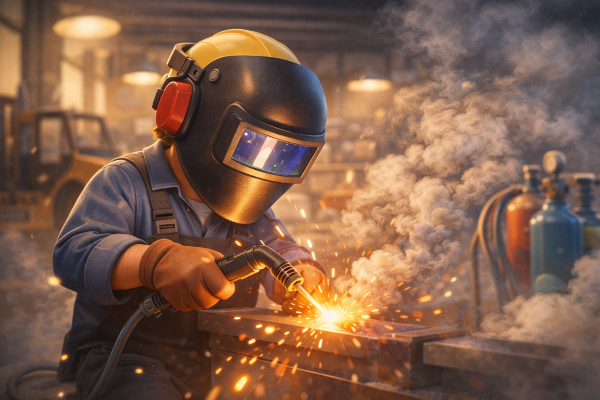
Welding fumes are created when metals are heated above their boiling point. These fumes contain microscopic metal particles that are easily inhaled.
Health risks include:
- Metal fume fever
- Lung irritation and scarring
- Long-term respiratory conditions
Different metals produce different hazards. For example, stainless steel welding can release chromium and nickel, both known respiratory irritants.
Chemical Vapors and Gases
Chemical vapors and gases are common in industrial, cleaning, and maintenance environments.
Typical sources include:
- Solvents and degreasers
- Paints and coatings
- Cleaning agents
- Fuel-powered equipment
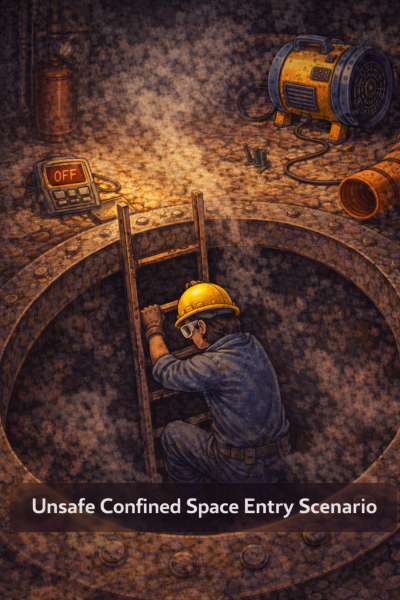
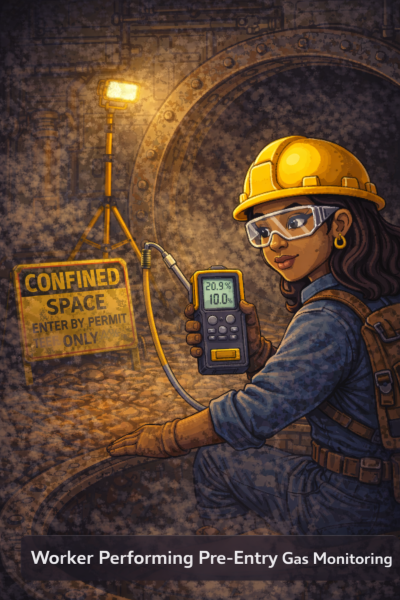
Some gases displace oxygen, while others irritate or damage lung tissue. Short-term exposure can cause dizziness, headaches, or nausea. Long-term exposure may lead to chronic lung conditions or neurological effects.
This is where understanding overall air risk becomes critical. A broader overview of protection strategies is covered in respiratory and air safety best practices, which help tie individual hazards into a complete safety plan.
Biological Airborne Hazards
Not all airborne hazards come from machines or chemicals. Biological contaminants can also pose serious risks.
Examples include:
- Mold spores
- Bacteria and viruses
- Animal dander
- Organic dust from grain or compost
These hazards are common in agriculture, healthcare, food processing, and water-damaged buildings. Poor ventilation allows biological contaminants to spread easily, increasing the risk of respiratory infections and allergic reactions.
Smoke and Combustion Byproducts
Smoke from combustion processes contains a mix of gases and fine particles.
Common sources:
- Forklifts or generators powered by fuel
- Industrial ovens or furnaces
- Fires or overheating equipment
Combustion byproducts such as carbon monoxide are especially dangerous because they are odorless and invisible. Without proper detection and airflow control, exposure can become deadly.
Why These Hazards Are Often Missed
Airborne hazards are easy to ignore because they are not always visible. Unlike slips or falls, the damage happens slowly.
Many workplaces rely on the assumption that open doors or fans provide enough airflow. In reality, without proper assessment, harmful particles can remain concentrated in breathing zones.
Regular evaluation of air quality and exposure risks is essential for long-term worker safety.
Final Takeaway
Airborne hazards exist in almost every workplace, even those that appear low-risk. Dust, fumes, gases, biological contaminants, and smoke can all cause serious harm when left unmanaged.
By understanding these hazards and addressing them early, employers can protect their teams, reduce liability, and create a healthier work environment.
Next, learn how to select the right equipment to protect against these hazards in Types of Respirators and When to Use Them.
Recommended Respiratory Protection for Common Airborne Hazards