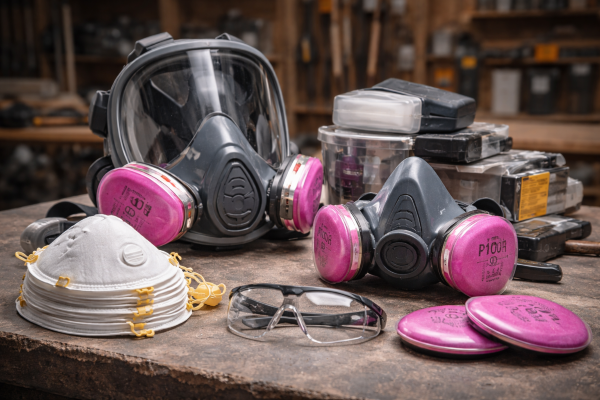
Choosing between a half face and full face respirator can be confusing if you don’t know the difference.
Both offer protection, but they’re designed for different situations. Picking the wrong one can leave parts of your face exposed or make your work harder than it needs to be.
This guide breaks it down so you can choose the right option for your environment.
QUICK ANSWER
A half face respirator protects your nose and mouth, while a full face respirator protects your entire face, including your eyes.
If you’re dealing with dust or light fumes, a half face respirator is usually enough. For chemicals, heavy exposure, or eye irritation, a full face respirator is the better choice.
WHAT IS A HALF FACE RESPIRATOR?
A half face respirator covers:
- nose
- mouth
It uses filters or cartridges to block dust, particles, and some fumes.
Pros:
- lighter and more comfortable
- easier to wear for long periods
- more affordable
Cons:
- no eye protection
- requires separate safety glasses
WHAT IS A FULL FACE RESPIRATOR?
A full face respirator covers:
- nose
- mouth
- eyes
It provides a sealed environment for your entire face.
Pros:
- full protection including eyes
- better seal overall
- ideal for chemicals and heavy exposure
Cons:
- heavier
- more expensive
- can feel bulky
KEY DIFFERENCES
Protection
Half Face: protects breathing only
Full Face: protects breathing + eyes
Comfort
Half Face: lighter and easier for long use
Full Face: heavier but more protective
Cost
Half Face: lower cost
Full Face: higher upfront cost
Best Use
Half Face:
- woodworking
- sanding
- general dust
Full Face:
- painting
- chemical exposure
- confined or hazardous environments
WHICH ONE SHOULD YOU CHOOSE?
Keep it simple:
- Woodworking / dust → Half face respirator
- Fumes or chemicals → Full face respirator
- Eye irritation risk → Full face respirator
- Long work sessions → Half face (more comfortable)
If you’re unsure, start with a half face respirator and upgrade if your work environment requires more protection.
RECOMMENDED OPTIONS
Best Half Face Respirator

RZ Mask RZM3 - Patented Dust Mask w/ 99.8% Carbon Filtration, Anti Fogging, 360° Seal with 3 Straps, 50% Better Breathability
Globally Patented Air Filtration Filter with 99.8% Efficiency: Our revolutionary RZ F3 filters offer 99.8% filtration efficiency, capturing microscopic particles as small as 0.1 microns. Far surpassing N95 standards, the active carbon layer also neutralizes
* As an Amazon Associate I earn from qualifying purchases. Prices may vary.
Best Full Face Respirator
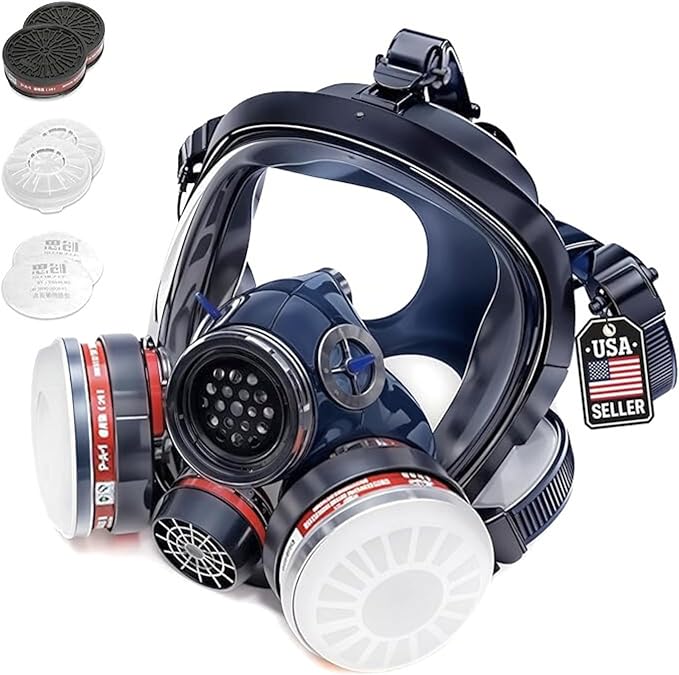
Full Face Organic Vapor Respirator - Protective Eye & Nose Shield with Anti-Fog Heavy Duty Lens & Adjustable - Chemical, & Particulate Respirator. Includes 2 Filter Cartridges - Industrial Grade
REATHE WITH CONFIDENCE - The perfect mask for working with chemicals and other toxic substances, Including inspection equipment, chemical laboratory and environmental technology With Dual Activated Charcoal filters for easy and natural breathing. Masks charcoal filter used for military gas mask.
* As an Amazon Associate I earn from qualifying purchases. Prices may vary.
COMMON MISTAKE
A lot of people use a half face respirator in situations where they actually need full protection.
If your eyes are exposed to fumes or irritation, your protection isn’t complete.
FINAL THOUGHTS
Both types of respirators are effective when used correctly.
The right choice depends on:
- your environment
- level of exposure
- how long you’re wearing it
Focus on proper fit and the right filters, and you’ll be well protected.