If you’re working around dust, fumes, or hazardous air, choosing the right respiratory protection isn’t optional. The wrong gear can leave you exposed, even if you think you’re protected.
This guide breaks it down in simple terms so you can choose the right respirator, understand how filters work, and avoid common mistakes that put people at risk.
If you’re working with wood or dealing with fine dust, check out our full guide on Best Respirator for Dust and Woodworking.
🧱 WHAT THIS GUIDE COVERS
In this guide, you’ll learn:
- When you actually need a respirator
- The difference between dust masks and respirators
- How to choose between half-face and full-face
- How filters and cartridges work
- How to get a proper fit
🧱 WHEN YOU NEED RESPIRATORY PROTECTION
You should be using respiratory protection if you’re exposed to:
- Wood dust or sanding particles
- Paint fumes or solvents
- Welding smoke
- Construction debris
- Confined space environments
If you can see particles in the air or smell chemicals, you’re already exposed.
🧱 RESPIRATOR VS DUST MASK
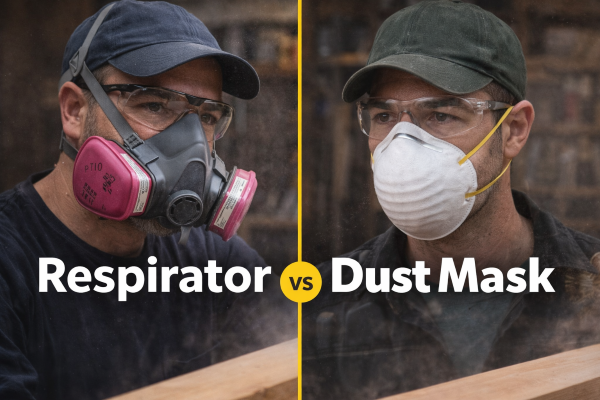
A dust mask is not the same as a respirator.
Dust masks:
- basic protection
- limited filtration
- often disposable
Respirators:
- sealed fit
- replaceable filters
- designed for real exposure
👉 For a full breakdown, see:
Respirator vs Dust Mask (link this later)
🧱 TYPES OF RESPIRATORS
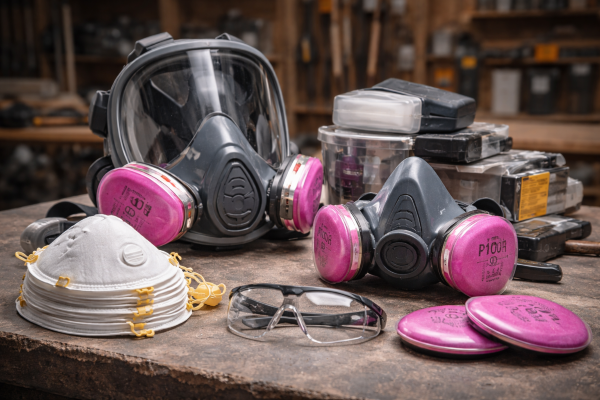
Half-Face Respirators
- Covers nose and mouth
- Lighter and more comfortable
- Good for dust and many fumes
Full-Face Respirators
- Covers eyes and face
- Better protection overall
- Ideal for heavy exposure
👉 See full comparison:
Half-Face vs Full-Face Respirator (link later)
🧱 HOW FILTERS AND CARTRIDGES WORK
Respirators only work if you use the right filter.
Common types:
- Particulate filters (dust, debris)
- Organic vapor cartridges (paint, chemicals)
- Multi-gas filters (industrial use)
👉 Learn more here:
How to Choose the Right Respirator Cartridge
🧱 HOW OFTEN TO REPLACE FILTERS
Filters don’t last forever.
Replace them when:
- breathing becomes harder
- you smell or taste contaminants
- manufacturer guidelines say so
👉 Full guide:
How Often Should You Replace Respirator Filters
🧱 COMMON MISTAKES TO AVOID
- Using a dust mask for chemical fumes
- Wearing a loose-fitting respirator
- Not changing filters
- Choosing comfort over protection
👉 See full list:
Common Respirator Mistakes That Can Put You at Risk
🧱 HOW TO GET A PROPER FIT
A respirator only works if it seals correctly.
Quick tips:
- tighten straps evenly
- check for air leaks
- shave facial hair if needed
A bad fit = no protection.
🧱 RECOMMENDED RESPIRATORS (PLUGIN SECTION)
Now that you understand what to look for, here are some solid options.
Best Overall Respirator
👉 [INSERT YOUR SHORTCODE HERE]
Best Budget Option
👉 [INSERT YOUR SHORTCODE HERE]
Best for Heavy Dust / Jobsite Use
👉 [INSERT YOUR SHORTCODE HERE]
🧱 FINAL THOUGHTS
Choosing the right respiratory protection doesn’t have to be complicated.
Focus on:
- the type of hazard
- proper fit
- correct filters
If you get those right, you’re already ahead of most people.