
Respirator Fit Testing: Why It Matters and How Fit Test Kits Keep Workers Safe
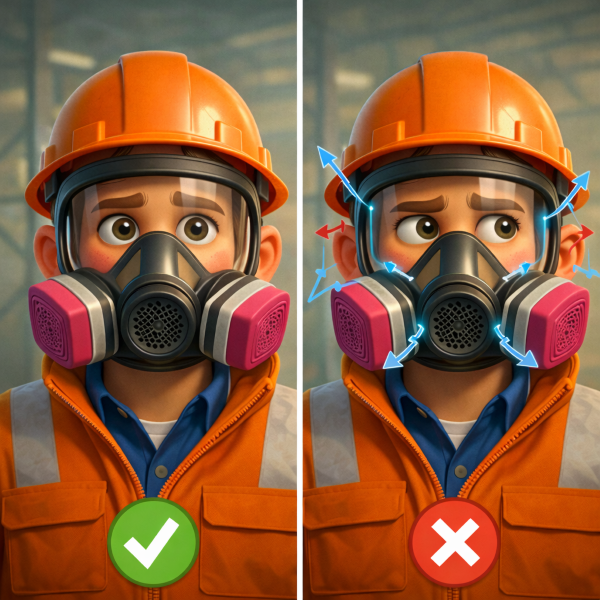
Wearing a respirator is not enough on its own. If it does not seal properly to the face, contaminated air can leak in and be inhaled. Respirator fit testing exists to prevent that risk before exposure happens.
Fit testing confirms that a respirator actually fits the person wearing it and provides the level of protection it was designed for. Without it, even high-quality respiratory equipment can fail.
For a broader overview of workplace respiratory protection, see Respiratory & Air Safety in the Workplace: Risks, Protection, and Best Practices.
What Is Respirator Fit Testing?
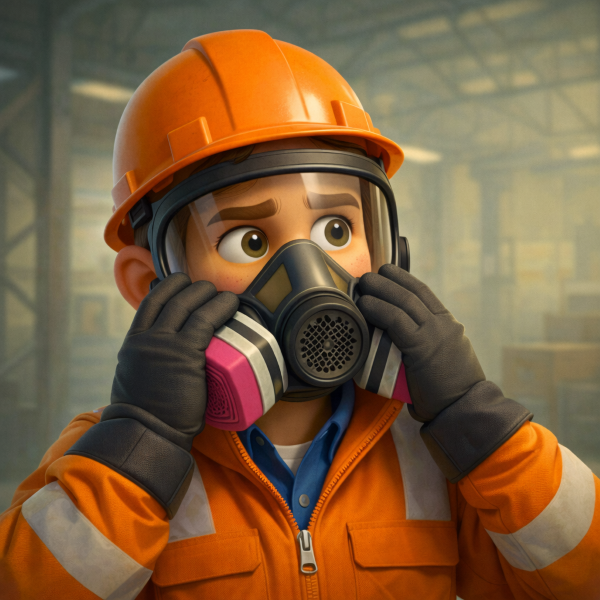
Respirator fit testing is a process used to verify that a tight-fitting respirator forms an effective seal against the wearer’s face.
This applies to respirators that rely on a face seal, such as disposable respirators and half-mask or full-face respirators. Loose-fitting hoods and helmets do not require fit testing because they do not depend on a facial seal.
Fit testing answers one simple question: does this respirator fit this person well enough to protect them?
Why Fit Testing Is Required
A respirator that fits poorly allows contaminated air to bypass the filter and enter the breathing zone. This can expose workers to dust, fumes, vapors, or gases even when the respirator appears to be worn correctly.
Fit testing helps prevent:
- Exposure caused by leaks around the mask
- A false sense of protection
- Respiratory injuries and long-term health effects
It also accounts for the fact that people’s faces are different. A respirator that fits one worker may not fit another. Even the same worker may need re-testing if their face shape changes or they switch respirator models.
Fit testing requirements depend on the type of respirator being used. If you need a refresher on respirator categories and applications, see Types of Respirators and When to Use Them:
Types of Fit Testing
There are two primary methods used to test respirator fit. Both are effective when used correctly.
Qualitative Fit Testing
Qualitative fit testing relies on the wearer’s senses to detect leaks.
During the test, the wearer dons the respirator and is exposed to a test agent with a noticeable taste or smell. If they can detect the agent while performing a series of movements, the respirator does not fit properly.
This method is commonly used for:
- Disposable respirators
- Half-mask respirators
- Lower-risk environments
Quantitative Fit Testing
Quantitative fit testing uses specialized instruments to measure how much air leaks into the respirator.
The test produces a numerical fit score that shows how well the respirator seals to the face. This method does not rely on the wearer’s senses and provides objective data.
Quantitative testing is often used in:
- Higher-risk environments
- Situations requiring precise fit verification
- Full-face respirators
What Is a Fit Test Kit?
A fit test kit contains the tools needed to perform respirator fit testing in a consistent and repeatable way.
Kits typically include:
- Test agents
- A test hood
- Nebulizers or delivery devices
- Instructions for conducting the test
Fit test kits allow employers to verify respirator fit without relying on guesswork. They help ensure testing is done properly and documented when required.
When Fit Testing Should Be Done
Fit testing is not a one-time task. It should be performed:
- Before a respirator is used for the first time
- When switching respirator models, sizes, or brands
- After facial changes such as weight loss, weight gain, or dental work
- On a regular schedule, often annually
Skipping fit testing after changes can leave workers unprotected without realizing it.
Common Fit Testing Mistakes to Avoid
Some of the most common fit testing problems include:
- Skipping testing because the respirator feels comfortable
- Using the wrong size respirator
- Allowing facial hair to interfere with the seal
- Failing to re-test after changes
A poor seal affects the entire respirator system. Even the correct filter cannot protect the wearer if contaminated air is leaking around the mask. If you want to understand how filters factor into protection, see Respirator Filters Explained.
Fit Testing as Part of a Respiratory Protection Program
Fit testing works best when it is part of a complete respiratory protection program.
That program may also include:
- Hazard assessment
- Proper respirator selection
- Employee training
- Equipment maintenance
Fit testing confirms that the respirator selected for a specific hazard seals properly and provides the level of protection it was designed to deliver.
However, fit testing alone does not identify what contaminants are present in the air. In environments where oxygen levels may be low or hazards are unknown, gas monitors and air detection devices play a critical role in identifying dangerous conditions before exposure occurs.
Final Thoughts
A respirator that does not fit is not providing protection. Fit testing removes uncertainty and ensures that respiratory equipment works as intended.
By using proper fit testing methods and fit test kits, employers can reduce exposure risks and help keep workers safe in environments where air quality cannot be trusted.
Recommended Respirator Fit Test Kits